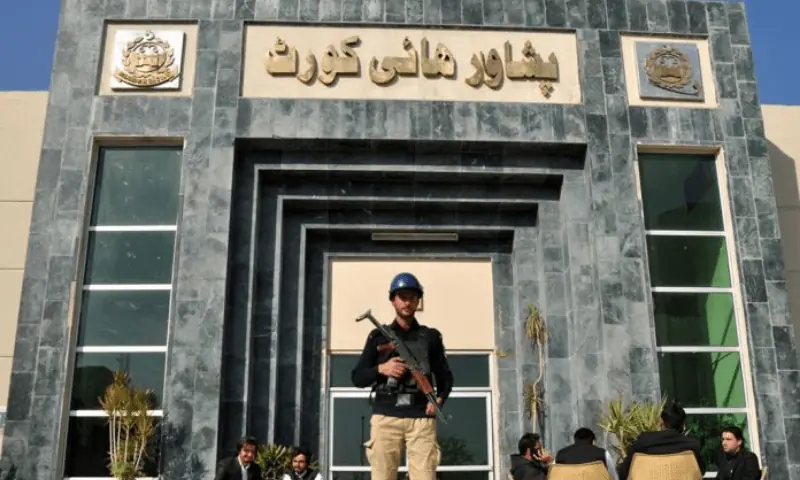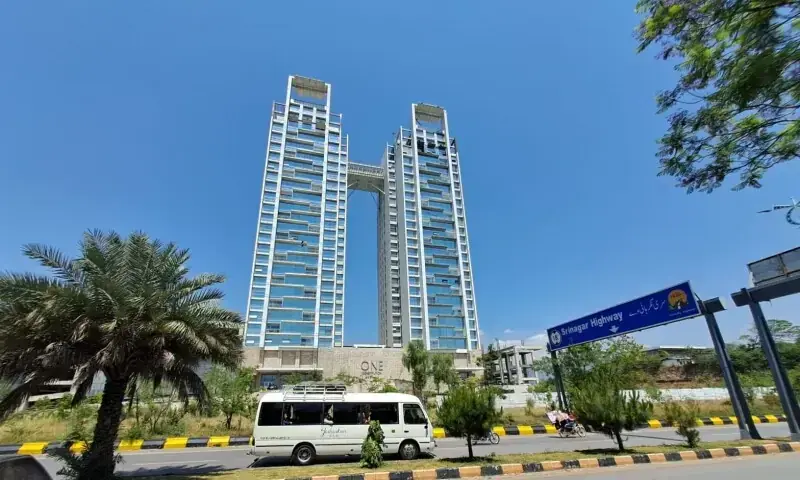
For years, Pakistan's capital's skyline has been reshaped by a single, controversial project: One Constitution Avenue. Promised as a symbol of luxury and modernity, it became instead a legal battleground pitting investors against the state. Now, the Islamabad High Court (IHC) has delivered a verdict that doesn't just end a decade-long dispute, it redefines what ownership means in Pakistan's urban economy. In a 200-page judgment released on July 7, 2026, Chief Justice Sardar Muhammad Sarfraz Dogar ruled that buyers of apartments in the development have no ownership rights. Instead, they are left with a claim against the developer, a distinction that could ripple across Pakistan's real estate sector, where billions of rupees in public and private wealth are tied to leasehold arrangements masquerading as freehold sales.
The End of Leasehold Dreams: How a Supreme Court Ruling Became a Legal Guillotine
This isn't just about one project. It's about the fragile contract between Pakistan's state institutions and its growing urban middle class. The One Constitution Avenue saga began in 2005 when the Capital Development Authority (CDA) leased a prime plot in Sector F-5 to M/s BNP (Pvt) Limited for the development of a five-star hotel. But BNP pivoted, converting the commercial lease into a residential-cum-commercial development. By 2016, the CDA, citing non-payment and regulatory violations, terminated the lease. BNP challenged the decision, and in January 2019, the Supreme Court of Pakistan restored the lease, but only under strict conditions. BNP was ordered to pay Rs17.5 billion within eight years through structured installments, backed by bank guarantees, and subject to automatic termination upon default after a 30-day notice. The IHC's July 2026 ruling confirms BNP failed to meet those conditions. The court found BNP did not make timely payments, failed to furnish acceptable bank guarantees, and could not justify repeated delays. The judgment is categorical: the lease was lawfully terminated, and the buyers' claims to ownership were legally unsustainable.
But the deeper issue is the legal architecture itself. The Supreme Court's 2019 judgment created a binding framework that treated the lease as a conditional grant, not a transfer of rights. The IHC reinforced that view: ownership, in this case, never existed. Buyers purchased apartments under a leasehold system where the state retains ultimate title. When the lease dies, so do their rights. The court rejected BNP's argument that CDA delays justified non-compliance, asserting that administrative lapses do not absolve a party of its primary obligations. This is not just a property dispute, it's a constitutional moment for Pakistan's urban governance.
Why This Ruling Is a Warning for Pakistan's Real Estate Oligarchy
Pakistan's real estate sector operates on a paradox: it sells ownership, but delivers leasehold. Developers like BNP exploit legal ambiguity, marketing high-rise apartments as freehold assets while relying on state leases for land. The One Constitution Avenue case exposes the fragility of that model. For investors, many of them middle-class professionals who mortgaged their futures for a luxury apartment, the ruling is catastrophic. Their apartments, once marketed as wealth creators, are now legally worthless. The IHC has made it clear: in Islamabad, at least, leasehold does not equal ownership. And buyers who relied on developer promises now have no legal recourse except to sue BNP for breach of contract, a hollow victory when the underlying asset is lost.
This verdict sends a chilling signal to Pakistan's real estate industry. Developers who treat state land as a private asset, and buyers who assume ownership without verifying title, now face existential risk. The CDA's termination power, once dormant, has been weaponized. The court's emphasis on strict compliance with Supreme Court orders suggests future disputes will be judged not on equity, but on adherence to procedural timelines. For a sector already under scrutiny for money laundering and speculative bubbles, this ruling is a regulatory earthquake. It raises a critical question: if the state can void a lease over financial defaults, what stops it from doing so over zoning violations, environmental breaches, or political displeasure? The message to developers is clear: play by the rules, or lose everything. To buyers, it's a warning: verify your title, or risk ruin.
The Legal Backstory: From 2005 Lease to 2019 Supreme Court Showdown
The roots of this crisis stretch back to 2005, when the CDA granted BNP a 99-year lease for a prime plot in Islamabad's most exclusive sector. BNP envisioned a five-star hotel, but by 2010, it had pivoted to a high-end residential project. Investors, lured by glossy brochures and proximity to the presidency, bought apartments worth billions. But the CDA grew uneasy. BNP missed deadlines, altered plans without approval, and allegedly used substandard materials. In 2016, the CDA terminated the lease, triggering litigation. BNP appealed, and in January 2019, the Supreme Court reinstated the lease, but only after imposing a draconian payment schedule. The court's order was explicit: Rs17.5 billion in eight years, with bank guarantees, and automatic termination for default. The IHC's July 2026 ruling confirms BNP failed to meet these terms. The court found BNP made late payments, failed to submit acceptable guarantees, and could not justify delays. It dismissed BNP's claim that CDA administrative delays excused non-compliance, invoking the doctrine of reciprocal obligations only when both parties fail, and here, BNP bore primary responsibility.
This legal lineage matters. The 2019 Supreme Court judgment did not just restore the lease; it created a legal straitjacket. The IHC's ruling treats that judgment as sacrosanct, a binding framework that overrides developer pleas of hardship. The court's language is uncompromising: administrative delays do not absolve non-performance. This sets a precedent for future disputes. Any developer in Pakistan's federal capital now faces a binary choice: comply with state conditions to the letter, or risk losing everything. For investors, the lesson is stark: in Islamabad, ownership is an illusion unless the lease is secure. The 2005 lease, the 2016 termination, the 2019 restoration, and the 2026 forfeiture form a complete legal arc, one that redefines the boundaries of state power over private property.
What Happened: The Islamabad High Court's Verdict in Full
On July 7, 2026, the Islamabad High Court delivered a 200-page judgment in the One Constitution Avenue case, upholding the CDA's decision to terminate BNP's lease and dismissing all petitions filed by the developer, investors, and stakeholders. According to reporting by Dawn News, Chief Justice Sardar Muhammad Sarfraz Dogar held that the CDA's action was lawful, consistent with the Supreme Court's 2019 framework, and free from arbitrariness or mala fide intent. The court found BNP failed to honor financial commitments, including delayed installment payments and non-compliance with bank guarantee requirements. It rejected BNP's argument that CDA delays justified the defaults, stating that even if administrative lapses occurred, they did not absolve BNP of its primary obligations. The court also confirmed that the CDA had issued proper notices and given sufficient opportunity to cure the default, which BNP failed to do within the stipulated 30-day window. Crucially, the IHC ruled that apartment buyers had no ownership rights, as their claims were contingent on the validity of the lease, which had been lawfully terminated. The judgment emphasized that the Supreme Court's 2019 order created a complete and binding framework, and any deviation carried legal consequences. Lawyers representing BNP included former Supreme Court judge Ijazul Ahsan, while advocate Kashif Ali Malik appeared for the CDA.
The ruling is final. BNP's legal avenues are exhausted. Investors are left with a claim against the developer, not a property right. The CDA, meanwhile, has been vindicated, its statutory powers upheld, its procedural rigor affirmed. The judgment does not just close a case; it reopens the debate over property rights in Pakistan's urban centers, where state land is leased, not sold, and where developers and buyers have long operated in a legal gray zone.
Global and Regional Reaction: Investors Shocked, Developers Silent, Regulators Watching
The international reaction has been muted but telling. Global property watchdogs, including the Royal Institution of Chartered Surveyors (RICS), have privately flagged the ruling as a cautionary tale for emerging markets where leasehold systems are misrepresented as freehold. The UK-based organization has advised its members in Pakistan to review lease documentation carefully, especially in Islamabad and Lahore, where similar projects exist. In the Gulf, where Pakistani investors hold significant real estate portfolios, the ruling has triggered concerns about legal security. Dubai-based analysts at Knight Frank have noted a spike in inquiries from Pakistani investors seeking clarity on their property titles, particularly in high-rise developments marketed to overseas Pakistanis. Regional governments are watching closely. In India, where leasehold systems are common in cities like Mumbai and Delhi, legal experts at the National Law School of India University have cited the One Constitution Avenue case as a cautionary example of how judicial rigor can upend speculative real estate models. Bangladeshi regulators, grappling with similar leasehold controversies in Dhaka's upscale projects, have privately consulted Pakistani legal teams to assess exposure. The World Bank's Doing Business report team has flagged the ruling as a data point in Pakistan's property rights index, potentially affecting future rankings on legal security for investors. Within Pakistan, the ruling has sparked outrage among investor associations. The Rawalpindi-Islamabad Chamber of Commerce and Industry has called for a parliamentary review of leasehold laws, arguing that the verdict undermines public trust in real estate as a wealth creator. The Pakistan Real Estate Regulatory Authority (REA) has yet to issue a formal response, but insiders say it is drafting guidelines to prevent similar disputes, including mandatory disclosure of lease status and developer obligations. The federal government has not commented publicly, but sources in the Ministry of Law and Justice indicate that the ruling may prompt amendments to the Capital Development Authority Ordinance to clarify ownership rights in leasehold projects.
The silence from BNP is conspicuous. The developer has not issued a public statement since the verdict. Legal filings suggest it may pursue international arbitration under bilateral investment treaties, though Pakistan's legal team is expected to argue that the dispute is domestic and subject to local jurisdiction. The investors, however, are not waiting. Social media platforms are flooded with complaints from buyers who paid in full but now face legal limbo. Some have organized protest vigils outside the CDA headquarters, demanding compensation or alternative housing. The ruling has become a flashpoint in Pakistan's broader crisis of legal trust, where contracts are signed, but promises are broken, and courts are the only recourse left.
South Asia Impact: Islamabad's Real Estate Earthquake and the CPEC Shadow
For Pakistan, the immediate impact is economic and social. The One Constitution Avenue project involved thousands of investors, many of whom mortgaged homes, took loans, or liquidated savings to buy apartments priced between Rs12 million and Rs45 million. With their ownership claims nullified, these investors face financial ruin, a crisis that could deepen public distrust in state institutions and the judiciary. The CDA, meanwhile, has been empowered to act decisively against errant developers, but its victory is Pyrrhic. The ruling exposes a systemic flaw: Islamabad's real estate market thrives on legal ambiguity. Developers exploit leasehold systems to sell ownership, while buyers assume freehold rights. The IHC's verdict strips that illusion bare. It also raises a critical question for Islamabad's elite: if the state can terminate a lease over financial defaults, what prevents it from doing so over environmental violations, zoning breaches, or political displeasure? The precedent is dangerous. It turns every leasehold project into a hostage to state discretion.
This ruling also resonates across South Asia. In India, where leasehold systems are common in Mumbai and Delhi, legal experts are already citing the case as a cautionary tale. Bangladeshi regulators, facing similar controversies in Dhaka's upscale projects, are reviewing their own leasehold laws. For Sri Lanka, where Chinese-backed projects in Colombo have faced land-rights disputes, the verdict is a red flag. The broader implication is clear: in South Asia's urban economies, where real estate is both a wealth creator and a corruption sieve, the state's power to redefine ownership is absolute. The One Constitution Avenue case proves that when push comes to shove, the state wins, and private investors lose. For Pakistan, this is not just a legal precedent; it is a systemic risk. The real estate sector, already under scrutiny for money laundering and speculative bubbles, now faces existential uncertainty. The CDA's victory may be legally sound, but it is socially explosive. For the thousands of investors who bought into the dream of luxury in Islamabad, the ruling is a nightmare, one that could redefine how Pakistan views property, trust, and the state's role in the economy.
What Happens Next: Investor Revolt, Regulatory Crackdown, or Legal Rebellion?
Analysts expect three possible trajectories in the wake of the IHC ruling. First, a wave of investor litigation against BNP, seeking recovery of investments through civil suits. These cases could drag on for years, but they may force BNP into insolvency or restructuring. Second, a regulatory crackdown by the Pakistan Real Estate Regulatory Authority (REA), which is reportedly drafting guidelines to mandate disclosure of lease status, developer obligations, and escrow mechanisms for buyer funds. Third, and most ominously, a legal rebellion by investors who may challenge the IHC's interpretation of ownership rights under the Constitution. The Supreme Court's 2019 judgment created a binding framework, but the IHC's 2026 ruling treats leasehold as a conditional grant, not a transfer of rights. This interpretation could face constitutional challenges, especially if buyers argue that their investments created equitable ownership interests. A key question is whether the Supreme Court will revisit its 2019 order or allow the IHC's interpretation to stand. If the latter, it could trigger a broader crisis in Pakistan's real estate sector, where thousands of projects operate under similar leasehold arrangements. Developers may rush to regularize their titles, while buyers could demand legislative guarantees of ownership security. The federal government, already grappling with economic instability, may face pressure to amend the Capital Development Authority Ordinance to clarify ownership rights in leasehold projects. But any legislative fix risks being seen as a bailout for developers, a move that could further erode public trust.
The international dimension is also fraught. BNP may pursue international arbitration, arguing that Pakistan's actions violate bilateral investment treaties. However, Pakistan's legal team is likely to counter that the dispute is domestic and subject to local jurisdiction. If arbitration proceeds, it could expose Pakistan to significant financial penalties, a risk that may prompt the government to intervene with a negotiated settlement for investors. But such a move would set a dangerous precedent: rewarding speculative behavior by developers while leaving taxpayers to foot the bill. For the CDA, the ruling is a vindication, but its long-term credibility depends on how it enforces future lease agreements. The court's emphasis on strict compliance suggests that future terminations will be swift and irreversible. For investors, the lesson is harsh: in Islamabad, ownership is an illusion unless the lease is secure. The One Constitution Avenue case may be closed, but its legal aftershocks will reverberate across Pakistan's urban economy for years to come.
Related Coverage
Pakistan Political Crisis → — In-depth analysis, background context, and continuous updates on this developing story.
Key Takeaways
- Ownership is conditional, not absolute. The IHC ruling confirms that in Islamabad's leasehold system, buyers of apartments in projects like One Constitution Avenue have no ownership rights, only claims against the developer. This redefines property rights in Pakistan's urban economy and exposes the legal fiction of "freehold" sales in leasehold projects.
- The state's power over land is absolute. The CDA's termination of BNP's lease, upheld by the Supreme Court in 2019 and the IHC in 2026, demonstrates that the state can void leases over financial defaults, administrative lapses notwithstanding. This sets a dangerous precedent for developers and investors alike.
- The real estate sector faces existential risk. The ruling threatens thousands of investors with financial ruin and forces a reckoning in Pakistan's real estate industry, where leasehold systems have long been misrepresented as freehold. Regulatory reforms and legal challenges are likely, but the sector's credibility may never recover.