
A torpedo fired by a US submarine sank an Iranian warship off the south coast of Sri Lanka as the Trump administration followed through on its threats to destroy Tehran’s military and political leadership. At least 87 Iranian sailors were killed in the attack on the Iris Dena. The frigate was sailing in international waters as it returned from a naval exercise organised by India in the Bay of Bengal. The torpedo strike prompted questions from former US officials about whether Washington’s aim of eliminating all of Iran’s military breached international law. The incident came as the US-Israeli air assault on Iran continued for a fifth day, with Washington officials warning that strikes would soon hit targets “deeper” in Iran. US forces also targeted pro-Iranian militias in Iraq, while the Iranian Revolutionary Guard Corps (IRGC) announced that it would continue missile and drone strikes on targets throughout the Middle East. Pete Hegseth, the ex-Fox News host now leading the Pentagon as defence secretary, confirmed that the US sank the Iris Dena as it sailed close to the Sri Lankan coast. The Pentagon released black-and-white footage of a Mark 48 heavyweight torpedo striking the frigate, sending a geyser of seawater into the air. “An American submarine sank an Iranian warship that thought it was safe in international waters,” Hegseth said. He said the attack was carried out late on Tuesday night. “It was sunk by a torpedo, a quiet death – the first sinking of an enemy ship by a torpedo since World War II,” added Hegseth. “Like in that war, back when we were still the war department, we are fighting to win.” It is in fact one of only a few instances of a submarine sinking a ship since the second world war, and a rare example of an attack on a foreign warship not taking part in open hostilities. According to Sri Lanka’s foreign affairs minister, Vijitha Herath, coastguards received a distress call from the Iris Dena at 5.08am on Wednesday. Crew members described the incident as an explosion. “By 6am we dispatched a naval vessel and by 7am the second naval vessel,” Herath said. He said Sri Lanka had an obligation to respond to the call for help because it was a signatory to the international convention on maritime search and rescue. Sri Lankan officials said they had saved 32 people from the ship, which was believed to be carrying 180 crew. Emergency responders retrieved 87 bodies from the water. Navy spokesperson Buddhika Sampath said rescue boats arrived at the site of the attack to find that the Iranian frigate had already sunk, leaving just an oil slick. The frigate was outside Sri Lanka’s territorial waters but still within its economic zone, 44 nautical miles (81km) off Galle. There were signs on Wednesday that the war was continuing to expand throughout the region. Turkey said that Nato air defences had intercepted an Iranian missile headed toward its airspace, presumably to strike Nato forces at the Incirlik airbase. Turkish officials condemned the attack, while calling on all sides for de-escalation. The conflict paralysed shipping through the strait of Hormuz for a fifth day, choking off vital Middle East oil and gas flows, while the UN said at least 100,000 people had fled Tehran in the first two days of the war. The Israeli military said it had hit buildings belonging to the Basij, the volunteer police arm of the IRGC, and buildings belonging to internal security forces. Israeli forces also advanced into towns and villages in south Lebanon as hostilities with the Iran-backed Hezbollah escalated. Hegseth had previously boasted that the US operation in Iran was not following any “stupid rules of engagement”. Wes Bryant, a former US air force special operations targeting expert and former chief of civilian harm assessments at the Pentagon, said the attack on the Iris Dena was illegal. The ship was transiting home after participating in training exercises hosted by the Indian navy at the time of the strike. India had convened naval assets from 74 countries for a March exercise. “Was that warship actively posing a threat or participating in hostilities?” asked Bryant. “You cannot say that this warship was an imminent threat to anyone. By targeting it, is the Trump administration saying that the imminent threat is all of Iran’s government and military? If so, that’s an incredibly dangerous example of military overreach.” The Iris Dena was the newest frigate in the Iranian navy and equipped with surface-to-air missiles, anti-ship missiles, cannon, machine guns and torpedo launchers. Sampath said rescue efforts were continuing and the main focus of the operation was to “help survivors”. A senior Sri Lankan official told the Guardian the Iranian embassy in Colombo had indicated through back channels that they believed their ship had been targeted by a US strike. The official said the Iranians claimed that the ship’s defence and counterattack capabilities were disabled by electromagnetic means. Another Sri Lankan defence source said it appeared that the vessel had been hit by two torpedoes. The main US naval base in the Indian Ocean is Diego Garcia, located in the Chagos archipelago, more than 1,000 miles (1,600km) from Sri Lanka.

US submarine sinks Iranian warship as conflict spreads beyond Middle East
Frigate goes down off Sri Lanka as Washington and Israel step up their offensive and promise to hit ‘deeper’ targets in Iran
Editorial Policy
GlobalFront.News adheres to strict journalistic standards for world conflict reporting.
Related Stories
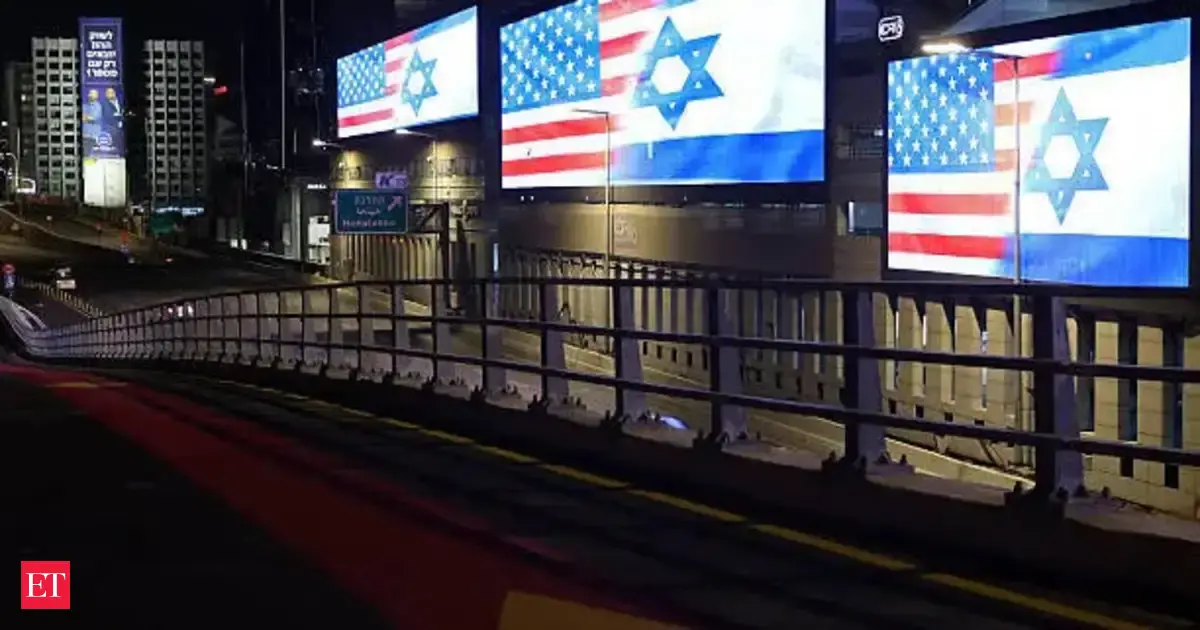
Food crisis after fuel shock? Which countries may be at risk of wheat, rice, and cooking oil shortages amid the US-Israel war
A prolonged US Israel war may trigger a global food crisis, with rising fuel and fertiliser costs threatening vulnerable nations. The crisis is being driven by surging fuel costs, disruptions in shipping, and rising fertiliser prices.
Shell raises petrol to Rs 129, diesel to Rs 133 as Iran war drives fuel surge
Shell raises petrol and diesel prices sharply in India as Iran war drives crude surge, pushing fuel costs higher and increasing pressure on private retailers and consumers
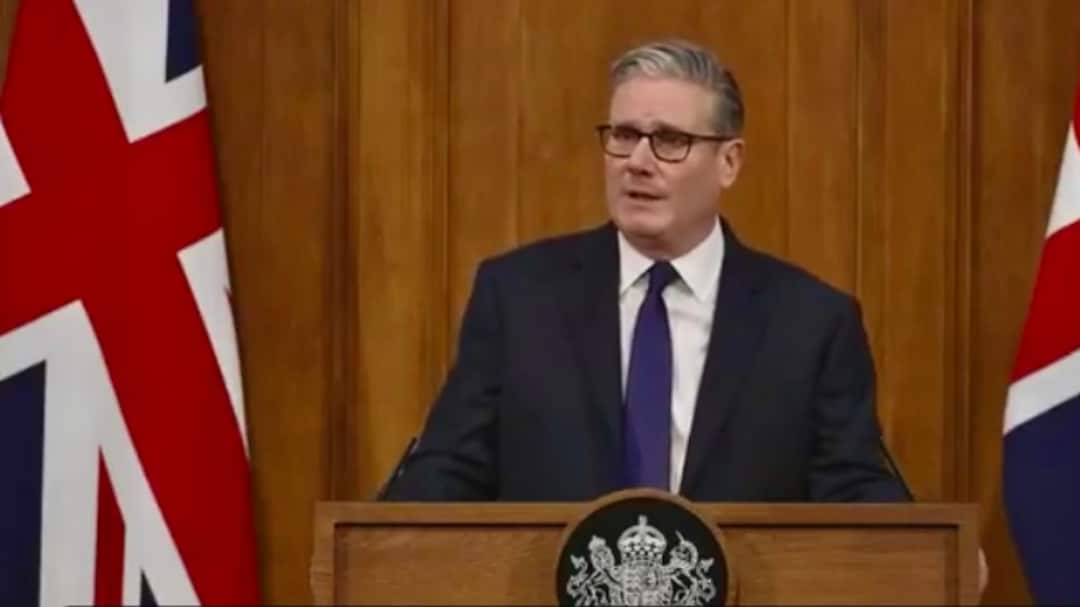
'This Is Not Our War': UK Prime Minister Keir Starmer Rules Out Role In Middle East Conflict
UK Prime Minister Keir Starmer's statement was a response to Donald Trump, who recently criticised the group and called it a "paper tiger".
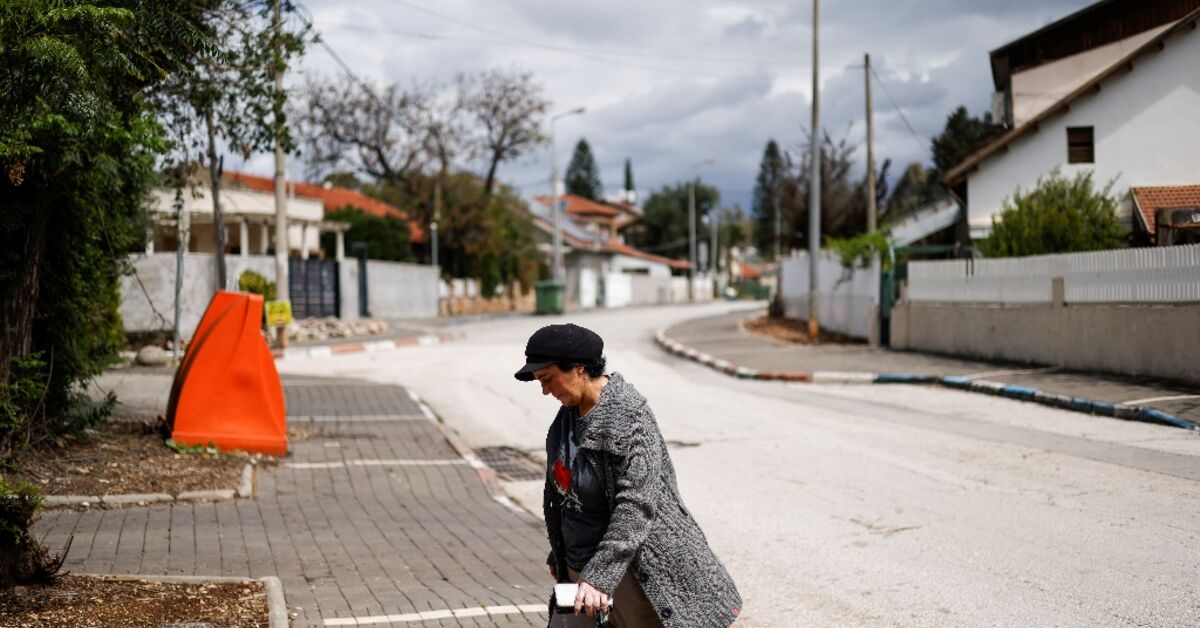
In Israel's north, war-weary residents feel abandoned by government
Whenever war rocks northern Israel, residents of Kiryat Shmona live their lives to the rhythm of rocket sirens. Young people have left the city, and those who remain feel neglected by the government.Some mere three kilometres (nearly two miles) from Lebanon, this northern town is living through its second war in less than three years, not counting Israel's 12-day war with Iran last June, or the war with Hamas in Gaza.