
The Pentagon is reportedly weighing up whether to redirect weapons originally meant for Ukraine to the Middle East. The affected weapons could include air defence interceptor missiles bought through a Nato initiative under which partner countries buy US arms for Kyiv, the Washington Post reported on Thursday, citing three people familiar with the matter. A final decision has not yet been made, it said, but the US war in Iran is intensifying, placing a strain on supplies of some of the military’s most critical munitions. On Wednesday, US Central Command said it had hit over 10,000 targets inside Iran. A Pentagon spokesperson told the newspaper the defence department would “ensure that US forces and those of our allies and partners have what they need to fight and win”. In response to a query about the report, Nato spokesperson Allison Hart said weapons continue to be delivered to Kyiv. “Everything that Nato allies and partners have paid for through PURL has been delivered or continues to flow to Ukraine,” she said, referring to the Prioritised Ukraine Requirements List, a mechanism that allows European countries to pay for US weapons on behalf of Ukraine. Saudi Crown Prince Mohammed bin Salman met Ukrainian president Volodymyr Zelenskyy in Jeddah on Friday and discussed the regional escalation and the Ukrainian crisis, the Saudi state news agency said. No further details were provided. Earlier this month, Zelenskyy said he had spoken to the crown prince and restated Kyiv’s offer to help deal with Iranian drones. Vladimir Putin has reportedly asked Russia’s oligarchs to donate to the country’s dwindling defence budget to continue its invasion of Ukraine. At least two businessmen have told the Russian president they would be willing to make contributions to the defence budget after talks on Thursday, the Financial Times reported. Russia’s budget deficit for January and February swelled to more than 90% of the figure projected for the whole year as US sanctions forced Moscow to sell oil at significantly discounted prices. In January, the Kremlin increased VAT to 22% in a bid to raise an extra Rbs600bn ($7.3bn) over three years from small and medium-sized businesses. Ukraine is using long-range strikes on energy infrastructure to maintain pressure on Russia after international oil sanctions on Moscow were eased in the wake of the Iran war, Zelenskyy said. Washington issued a 30-day waiver this month for countries to buy sanctioned Russian oil and petroleum products stranded at sea. Asked about an escalation of Ukrainian attacks on Russian energy infrastructure in recent days, Zelenskyy said: “The pressure on Russia in the world is decreasing. Therefore, unlike most countries in the world, Ukraine has its own sanctions: its long-range capabilities,” he told Reuters in an interview late on Wednesday. Britain’s plan to detain Russian vessels is hostile, and Moscow will respond with political, legal and “asymmetric” measures, the Russian embassy in the UK said in a statement on Russian state media. Prime minister Keir Starmer said earlier he had authorised the military to board and detain Russian ships in British waters to disrupt a network of vessels that his government says enables Moscow to export oil despite western sanctions. The Russian statement quoted by the state-run Tass news agency said Starmer’s announcement was “yet another deeply hostile step directed at Russia”. It added: “Such actions have consequences … Russia will use all political, legal, and other tools at our disposal, including asymmetric ones, to protect our interests.” Other European nations have also stepped up efforts to disrupt the so-called shadow fleet of tankers used by Moscow to fund its war against Ukraine. A Russian court banned the Oscar-winning documentary Mr Nobody Against Putin from several streaming platforms on Thursday, alleging it promoted “negative attitudes” about the Russian government and the war in Ukraine. The film documents pro-war propaganda lessons delivered at a school in Russia’s Chelyabinsk region, using two years of footage secretly filmed and smuggled out of the country by the school’s videographer, Pavel Talankin. It includes footage of Russian schoolchildren absorbing lectures on the need to “denazify” Ukraine and speeches by war veterans, taking part in grenade-throwing competitions and lessons on how to handle guns. Russia’s defence ministry claimed to have taken control of a new village in Ukraine’s north-eastern Kharkiv region in its slow advance through eastern Ukraine. Ukraine’s military made no acknowledgment that the village, Sheviakivka, on the Russian border had changed hands. A Ukrainian paratroop unit said it had retaken a village to the south in Dnipropetrovsk region that had earlier fallen under Russian control. Reuters could not independently confirm the battlefield reports. Britain will commit an additional £100m ($133m) to bolster Ukraine’s air defences, bringing total support over the past two months to £600m, the government said in a statement on Friday.

Ukraine war briefing: Pentagon reportedly considering whether to divert aid from Ukraine to Middle East
US military stockpiles are under strain as a result of Iran war, Washington Post reports; Volodymyr Zelenskyy meets Saudi crown prince in Jeddah. What we know on day 1,493
Editorial Policy
GlobalFront.News adheres to strict journalistic standards for world conflict reporting.
Related Stories
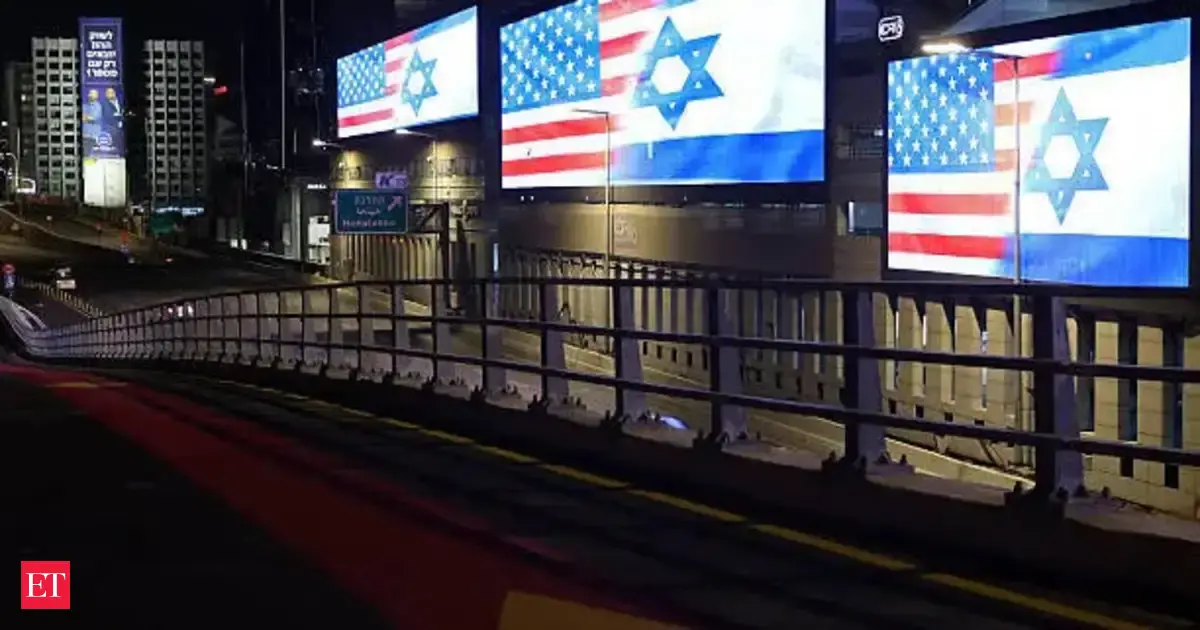
Food crisis after fuel shock? Which countries may be at risk of wheat, rice, and cooking oil shortages amid the US-Israel war
A prolonged US Israel war may trigger a global food crisis, with rising fuel and fertiliser costs threatening vulnerable nations. The crisis is being driven by surging fuel costs, disruptions in shipping, and rising fertiliser prices.
Shell raises petrol to Rs 129, diesel to Rs 133 as Iran war drives fuel surge
Shell raises petrol and diesel prices sharply in India as Iran war drives crude surge, pushing fuel costs higher and increasing pressure on private retailers and consumers
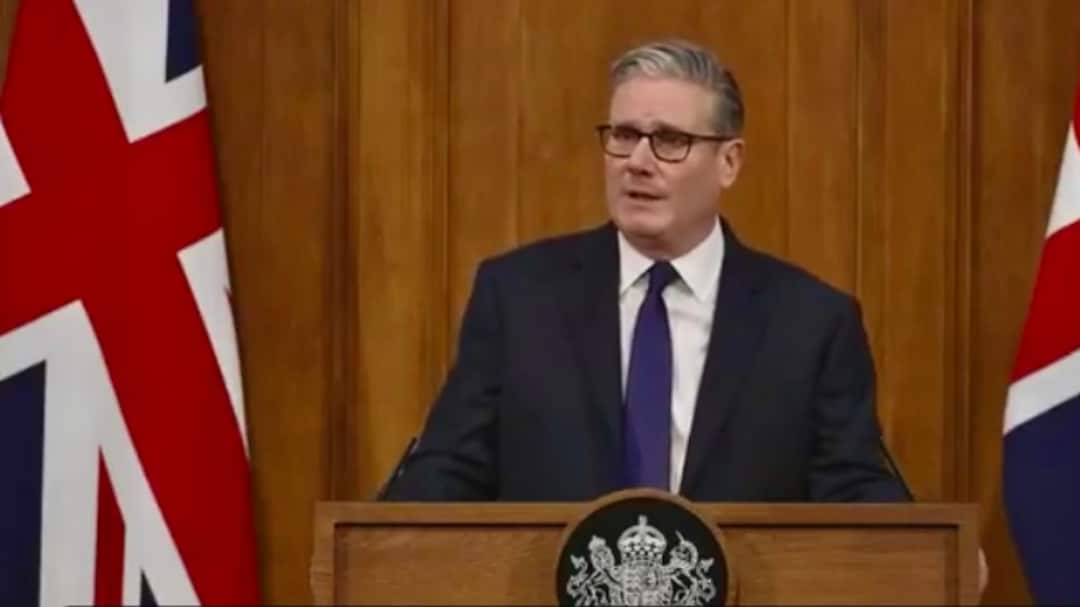
'This Is Not Our War': UK Prime Minister Keir Starmer Rules Out Role In Middle East Conflict
UK Prime Minister Keir Starmer's statement was a response to Donald Trump, who recently criticised the group and called it a "paper tiger".
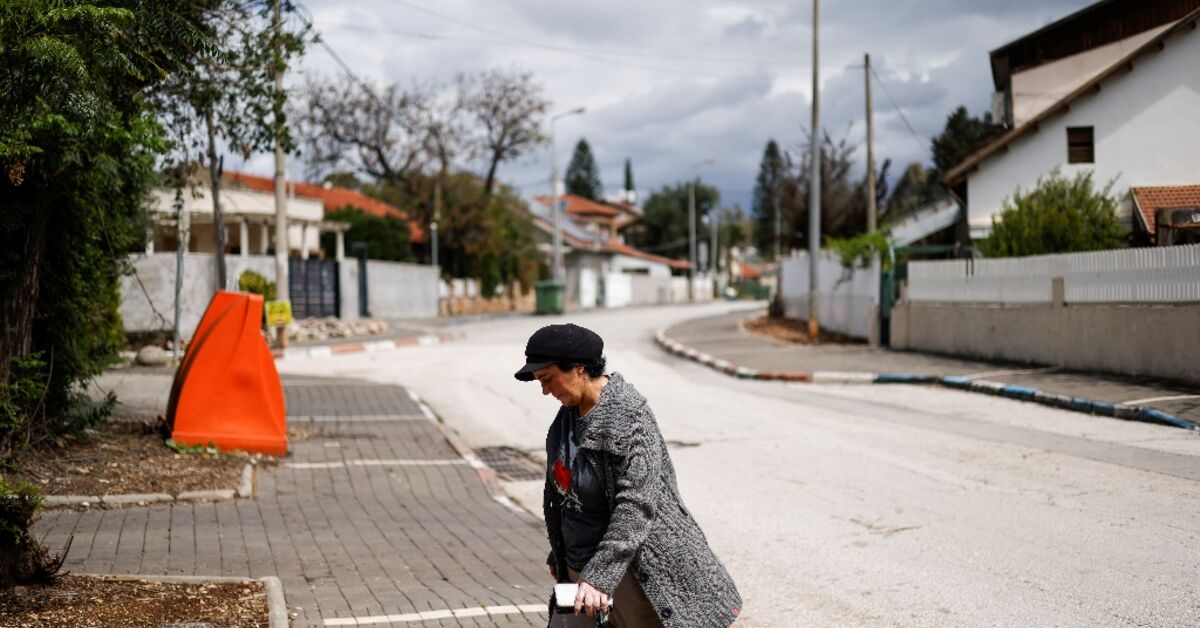
In Israel's north, war-weary residents feel abandoned by government
Whenever war rocks northern Israel, residents of Kiryat Shmona live their lives to the rhythm of rocket sirens. Young people have left the city, and those who remain feel neglected by the government.Some mere three kilometres (nearly two miles) from Lebanon, this northern town is living through its second war in less than three years, not counting Israel's 12-day war with Iran last June, or the war with Hamas in Gaza.